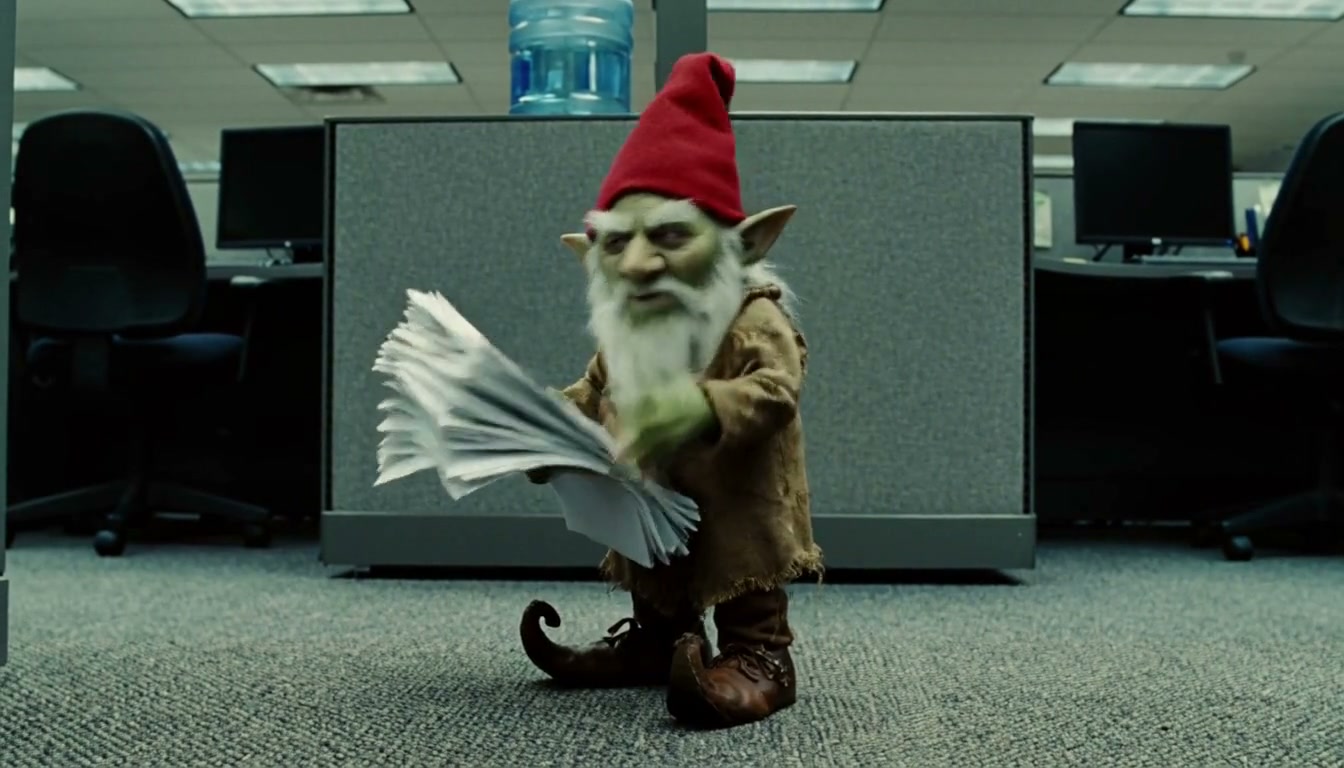
Face drift, likeness, and why AI output varies
Why two takes of the same photos can look different, and how to get a stable keeper.
Generate the same two photos twice and you will get two different videos. That is not a bug — it is how video diffusion works, and understanding it saves you credits.
Why faces drift
The model re-renders every frame from your reference photos rather than pasting your face onto a video. Fast motion and close-ups stretch it the most, which is why the spin and the shush sometimes wander.
How to get a stable take
Front-facing photos, even light, and one subject per image do most of the work. If a take drifts, regenerate the same setup — variance is random, and a second roll often lands.
What we promise — and don't
We promise the choreography, the scene, and the credit refund on failures. We do not promise exact likeness: output is an AI interpretation of your photo, not a copy. Use photos you have the right to use, and check the result before you share it.
Author

Categories
More Posts
768p or 2K? Choosing the right quality
When 768p is enough, when 2K is worth the extra credits, and how failures are refunded.
How to pick photos: the dancer and the spectator
The first photo becomes the sneaky dancer, the second watches the show. Four rules for stable results.
Posting your tiptoe video on TikTok
Audio, captions, hashtags, and the responsible-sharing checklist before you post.
Two photos. One sneaky little dance.